Students who are blind or visually impaired should have the same educational opportunities and programs as their peers without disabilities. Through research, advocacy, and policy initiatives, AFB is working to create a world of no limits for students who are blind or have low vision. We speak up for children who are blind or visually impaired, to make sure every student has an equal opportunity to succeed.
Content tagged with this term
The Cogswell-Macy Act Hill Day, February 28, 2018, was an activity of Conference of Educational Administrators of Schools and Programs for the Deaf (CEASD), the American Foundation for the Blind, National Association of the Deaf, and other advocacy partners. Our heartfelt thanks go to Barbara Raimondo, Executive Director of CEASD, who helped us coordinate the registration process with participants from schools for the Deaf and other advocacy groups in the Deaf/hard-of-hearing (DHH) community.
Last Friday, October 20, the U.S. Department of Education Office of Special Education and Rehabilitative Services (OSERS) announced that it had rescinded 72 federal guidance documents relating to children's rights under the Individuals with Disabilities Education Act (IDEA) and the Rehabilitation Act of 1973.
"What do I consider a teacher should be? One who breathes life into knowledge so that it takes new form in progress and civilization."
- Helen Keller in a speech to the National Education Association, 1938

This week, we pay homage to teachers and the tireless work they perform and the meaningful impact they have on our children's lives. Teachers of students who are visually impaired work with a wide variety of students every day. They provide educational services to students of all ages and ability levels who are learning academic skills, as well as skills needed for success outside of the classroom.

On March 3, 1887—130 years ago to the day—Annie Sullivan arrived in Tuscumbia, Alabama. The minute Annie met six-year-old Helen Keller, she began to sign into her hand, laying the foundation for Helen’s education.
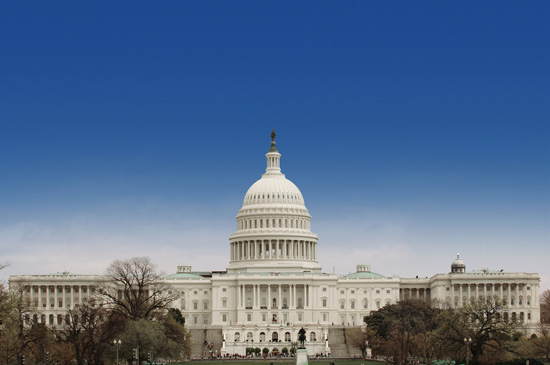
On Wednesday, March 1, more than 120 advocates for children who are blind, visually impaired, deaf, hard of hearing, or deafblind will visit congressional offices in Washington, D.C., sharing their stories and asking our new Congress to rally behind students with sensory disabilities in support of the newly reintroduced Cogswell-Macy Act.

The upcoming presidential debates have me thinking about what I might ask the candidates if I were a debate moderator. It isn’t often that disability issues get front-and-center attention during a nationally televised event like a presidential debate, let alone issues specific to people who are blind or visually impaired.
But what if they did?