Resources for Adults New to Vision Loss
The American Foundation for the Blind (AFB) understands that information is power. We are committed to connecting people to life-changing information, resources, local services, and a vibrant and supportive community.
Ten Tips to Help You with Your Journey with Vision Loss
- Make sure you have good lighting in your house, including task lighting for reading or doing tasks such as cooking.
- Control glare by using appropriate window coverings and adjustable lighting.
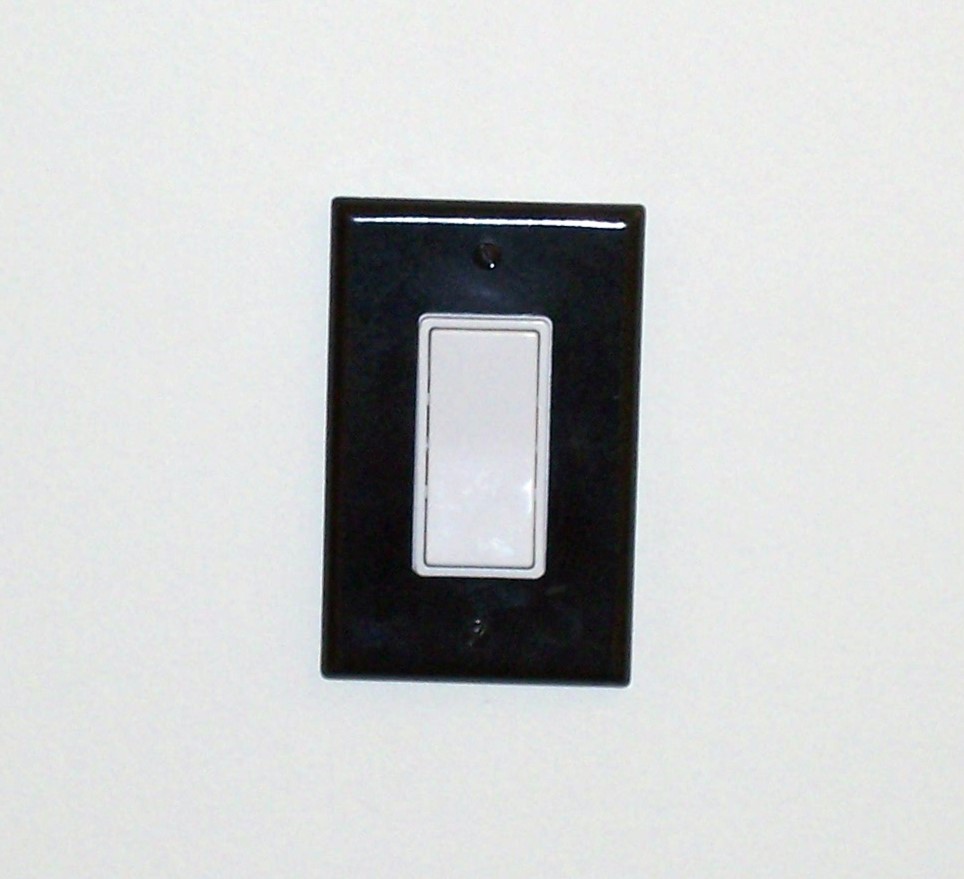
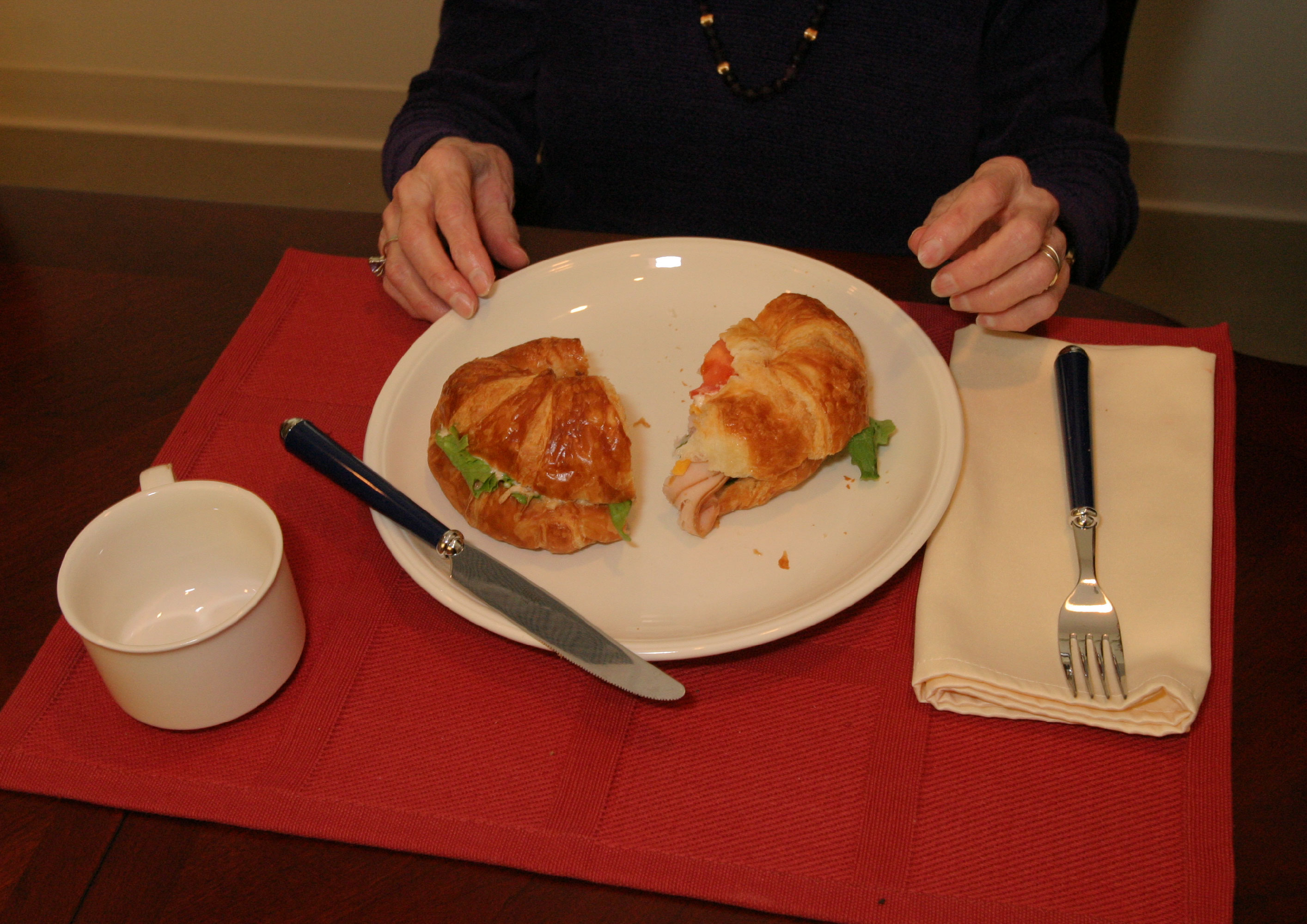
- Increase contrast in your home by painting door trims a contrasting color, use contrasting light switch covers, contrast in the bathroom, & contrasting tape on steps to help prevent falls.
- If you have low vision, ask your senior center, church, doctor’s office, etc. to provide information in large print. Bold, sans-serif fonts in at least 18-point print on white or light-yellow paper are often the best combination for low vision.
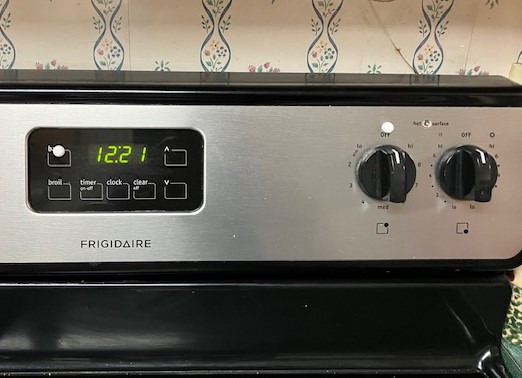
- Use tactile markers such as bump dots on microwaves, stoves, tv remotes, and other devices to help you use them.
- If you like playing games, enlarged, tactile playing cards, bingo cards and board games are available.
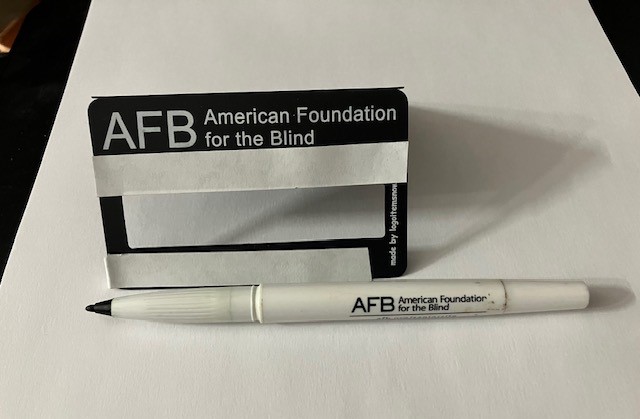
- Bold line pens and signature guides are helpful for signing documents.
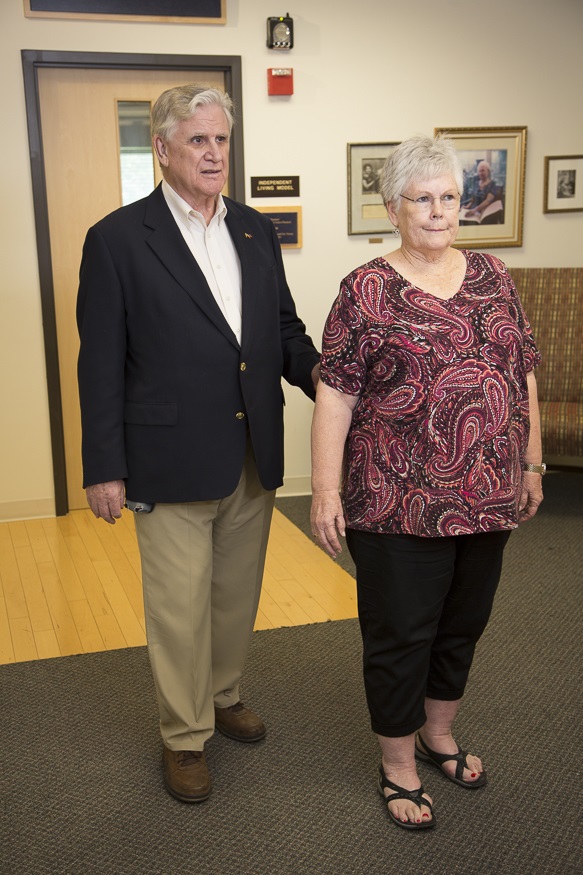
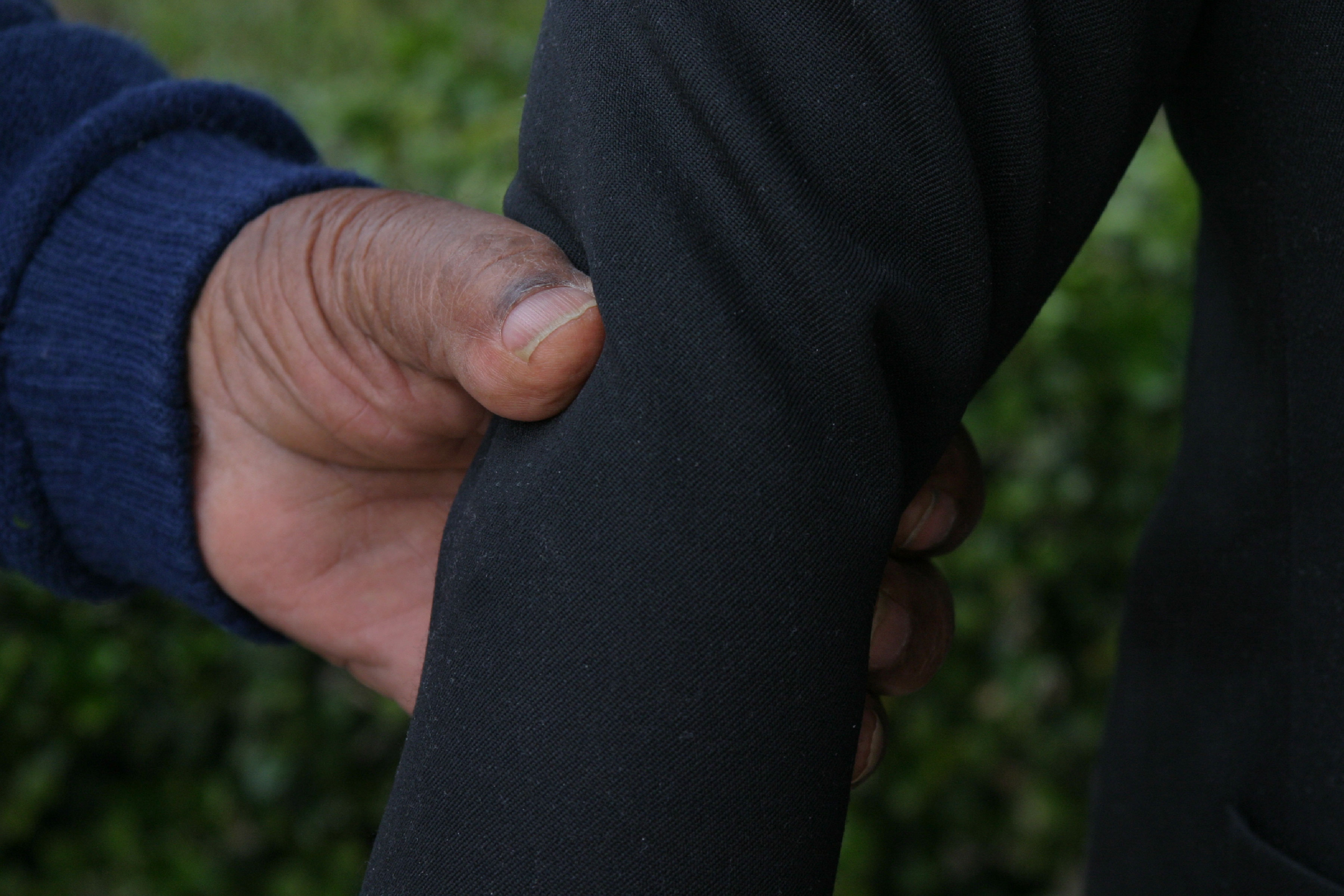
- When walking with a person, ask them to let you take their arm just above their elbow and walk a half step behind them. This is called human guide technique. (See video resource below)
- Make sure you have had an up-to-date eye exam and a low vision exam, if recommended.
- Find out about vision rehabilitation services, how they can help & how you can access them.

Check Out the Resources Below
VisionAware — started by APH and stewarded by the American Printing House for the Blind (APH) ConnectCenter — has basic information about adjusting to vision loss, including tips for adapting your home and daily living.
APH's Blindness and Low Vision Support Resources: Provides a list of organizations serving people who are blind or have low vision, categorized by type of services such as vision rehabilitation, aging network services, and technology resources.
The Lighthouse Guild provides a video on Guide Techniques for people who are blind or visually impaired.
Recommended Links from VisionAware:
- New to Vision Loss? - ConnectCenter — This section of VisionAware offers clear, supportive, practical information on topics such as emotional adjustment and support groups, vision rehabilitation, what family members need to know, and medication management.
- VisionAware’s Getting Started guide provides helpful tips, techniques, and information and is available online as a downloadable PDF in English and Spanish.
- VisionAware also offers solutions for everyday issues such as traveling, reading, writing, and technology usage.
AFB Resources for Aging and Vision Loss:
- Check out AFB's Tips and Resources for Helping Older People with Vision Loss article.
- Help your medical providers know how to help by telling them about AFB’s Best Practices Guide for Hospitals.